What Is Autonomic Neuropathy — And Why Haven't You Heard of It?
Most people have heard of peripheral neuropathy — the numbness, tingling, and burning sensations that affect the hands and feet. But there is another form of neuropathy that often goes unrecognized for years: autonomic neuropathy.
Autonomic neuropathy is nerve damage that affects the autonomic nervous system — the part of your nervous system that controls the involuntary functions keeping you alive every second of the day. That means your heart rate, blood pressure, digestion, sweating, bladder control, and more. Unlike peripheral neuropathy, whose symptoms are easy to locate and describe, autonomic neuropathy produces symptoms that seem completely unrelated to each other, which is exactly why it is so frequently missed.
At New Promise Neuropathy in the Dallas-Fort Worth area, we see patients who have spent years being passed from specialist to specialist — cardiologists for heart palpitations, gastroenterologists for digestive problems, urologists for bladder issues — never realizing that a single underlying condition was driving all of their symptoms.
Understanding the Autonomic Nervous System
Think of your nervous system as having two departments. The somatic nervous system handles voluntary movement — the signals you consciously send to walk, reach, or speak. The autonomic nervous system handles everything else automatically — heartbeat regulation, digestion, blood pressure adjustments, temperature control, and organ function.
The autonomic system itself has two branches:
- Sympathetic — the "fight or flight" branch that accelerates your heart rate, raises blood pressure, and redirects blood to your muscles when you need to respond to a threat.
- Parasympathetic — the "rest and digest" branch that slows things down, promotes digestion, and allows recovery.
When nerve damage affects this system — through diabetes, autoimmune disease, alcoholism, or other causes — the automatic regulation of your body breaks down in ways that can be subtle, confusing, and debilitating.
Autonomic Neuropathy Symptoms: What to Watch For
Because the autonomic nervous system controls so many different functions, its symptoms can affect virtually every system in your body.
Dizziness and Orthostatic Hypotension
One of the most common and dangerous symptoms is orthostatic hypotension — a sudden drop in blood pressure when you stand up. Normally, your autonomic nervous system instantly compensates for the positional change by tightening blood vessels and speeding up your heart. When those nerves are damaged, compensation fails. Patients feel dizzy, lightheaded, or may even faint after standing. Many describe feeling "foggy" throughout the day.
Digestive Problems and Gastroparesis
The autonomic nerves control the muscles that move food through your digestive tract. Damage here leads to gastroparesis — delayed gastric emptying — which causes nausea, bloating, feeling full after only a few bites, and unpredictable blood sugar swings in diabetic patients. Constipation alternating with diarrhea is also common.
Heart Rate Irregularities
Normally, your heart rate adjusts constantly — rising when you exercise, slowing when you rest. Autonomic neuropathy can cause resting tachycardia (a heart rate that stays elevated even at rest) or an inability to appropriately speed up during exertion. This is sometimes called a "fixed" heart rate. Patients often report palpitations or feeling their heart racing without an obvious cause.
Sweating Abnormalities
The sweat glands are controlled by autonomic nerves. Damage here causes anhidrosis (inability to sweat) in some areas and compensatory excessive sweating in others. Patients may notice they do not sweat during exercise, or they sweat profusely from the face and upper body while their feet and legs stay completely dry. This thermal dysregulation can also cause intolerance to heat.
Bladder Problems
Autonomic nerve damage affecting the bladder leads to incomplete emptying, urinary retention, or incontinence. Patients may experience frequent urinary tract infections as a result. This symptom is often attributed to aging or prostate issues in men and pelvic floor problems in women — delaying the correct diagnosis further.
Why Autonomic Neuropathy Is Chronically Underdiagnosed
There are several reasons this condition slips through the diagnostic cracks:
Symptoms seem completely unrelated. A patient experiencing dizziness, stomach issues, and sweating abnormalities does not immediately appear to have a nerve problem. Each symptom points toward a different body system and a different specialist.
It lacks the hallmark pain of peripheral neuropathy. Without the classic burning or tingling in the feet, many patients and even physicians do not think of neuropathy at all.
Testing requires specific expertise. Confirming autonomic neuropathy requires specialized assessments such as tilt-table testing, sweat tests, and heart rate variability analysis — tests that are not part of a routine workup.
Multiple specialists, no coordinator. Without a single provider connecting the dots, patients accumulate diagnoses and medications from multiple specialists without ever addressing the root cause.
What Causes Autonomic Neuropathy?
The most common cause by far is diabetes. Chronically elevated blood sugar damages nerve fibers over time, and the small, delicate autonomic fibers are often affected first. Estimates suggest that up to 50% of diabetic patients develop some degree of autonomic neuropathy, though many are never formally diagnosed.
Other causes include:
- Autoimmune conditions — such as lupus, Sjogren's syndrome, or rheumatoid arthritis
- Chronic alcohol use — alcohol is directly toxic to nerve tissue
- Amyloidosis — abnormal protein deposits that damage nerves and organs
- Paraneoplastic syndromes — immune responses triggered by certain cancers
- Hereditary conditions — such as familial dysautonomia
- Certain medications — including some chemotherapy agents
In some cases, no identifiable cause is found, a condition referred to as idiopathic autonomic neuropathy.
How Is Autonomic Neuropathy Diagnosed?
Diagnosis begins with a detailed clinical history — tracking when symptoms occur, what triggers them, and how they relate to body position, meals, or activity. From there, a specialist may order:
- Tilt-table testing to evaluate blood pressure and heart rate response to positional changes
- Quantitative sudomotor axon reflex testing (QSART) to assess sweat gland nerve function
- Heart rate variability testing to evaluate parasympathetic control of the heart
- Gastric emptying studies if gastroparesis is suspected
- Urodynamic testing for bladder dysfunction
Blood work to identify underlying causes — including fasting glucose, HbA1c, autoimmune panels, and vitamin levels — is also an important part of the workup.
Autonomic Neuropathy Treatments: What Are Your Options?
There is no single cure for autonomic neuropathy, but effective management is possible. Treatment focuses on two levels: addressing the underlying cause and managing individual symptoms.
Controlling the root cause is the highest priority. For diabetic patients, tight blood sugar control can slow progression and, in some cases, allow partial recovery of nerve function. For autoimmune-related autonomic neuropathy, immunosuppressive therapy may be appropriate.
Symptom management varies by presentation:
- Orthostatic hypotension — increased fluid and salt intake, compression garments, and medications such as fludrocortisone or midodrine
- Gastroparesis — dietary modification (small, frequent low-fat meals), prokinetic medications, and in severe cases, feeding support
- Resting tachycardia — beta-blockers to stabilize heart rate
- Bladder dysfunction — scheduled voiding, bladder training, and medications or catheterization when needed
- Sweating abnormalities — cooling strategies and, for excessive sweating, targeted treatments
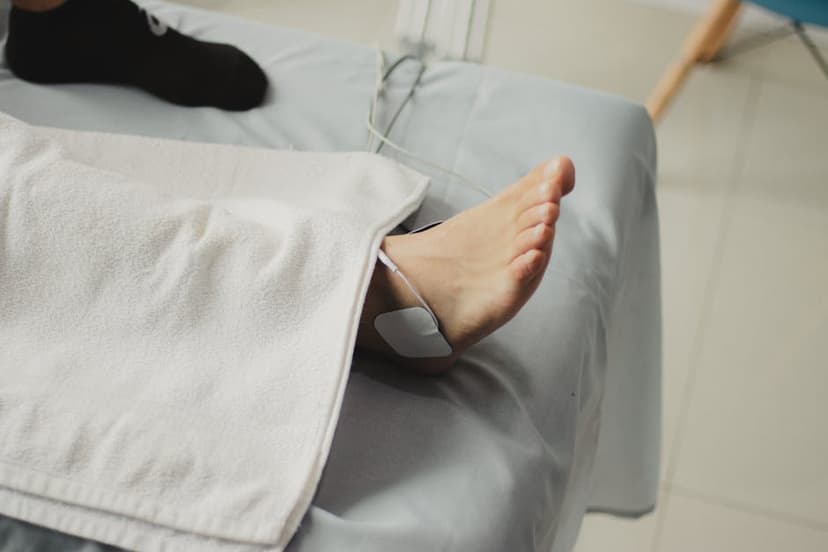
Nerve-targeted therapy is an emerging area of focus. At New Promise Neuropathy, we offer Combined Electrochemical Therapy (CET) — a non-invasive, FDA-cleared treatment approach that uses electrical stimulation and infusion therapy to promote nerve recovery and improve circulation to damaged nerve tissue. While CET is most commonly associated with peripheral neuropathy, patients with mixed presentations — autonomic and peripheral involvement — may benefit from a comprehensive nerve recovery plan tailored to their specific condition.
If you are in the Dallas-Fort Worth area and suspect that your symptoms may involve autonomic nerve damage, our team can help evaluate your situation and design a treatment approach that addresses your full picture.
When Should You See a Neuropathy Specialist?
You should not wait to seek evaluation if you experience:
- Dizziness or fainting when standing
- Unexplained nausea, bloating, or irregular digestion not explained by GI conditions
- A resting heart rate that feels elevated or racing without exertion
- Inability to sweat normally, especially during exercise
- Bladder problems that are not explained by urological causes
- A known diagnosis of diabetes with any of the above symptoms
Early intervention matters. The longer autonomic nerve damage goes untreated, the more difficult it becomes to manage, and the higher the risk of serious complications — including falls, aspiration, kidney damage, and cardiovascular events.
Ready to find answers? New Promise Neuropathy offers free consultations for patients in the DFW area. Our team specializes in identifying and treating neuropathy in all its forms — including the types most often missed. Contact us today to schedule your appointment and take the first step toward understanding what your nervous system is telling you.
Frequently Asked Questions
What is the difference between autonomic neuropathy and peripheral neuropathy?
Peripheral neuropathy affects the sensory and motor nerves that carry signals to your limbs, causing pain, numbness, and weakness in the hands and feet. Autonomic neuropathy affects the nerves that regulate involuntary body functions — heart rate, digestion, blood pressure, sweating, and bladder control. Both can occur together, particularly in diabetic patients, but autonomic neuropathy is far less recognized because its symptoms do not fit the classic "neuropathy" profile.
Can autonomic neuropathy be reversed?
In some cases, yes. When the underlying cause is corrected — such as achieving better blood sugar control in diabetes, stopping alcohol use, or treating an autoimmune condition — nerve function can partially or fully recover, especially if the damage is caught early. However, long-standing nerve damage may be permanent. This is why early diagnosis and treatment are critical.
Is dysautonomia the same as autonomic neuropathy?
Dysautonomia is a broader term that refers to any dysfunction of the autonomic nervous system, whether from nerve damage, structural problems, or other causes. Autonomic neuropathy is one specific type of dysautonomia — the type caused by nerve damage. Other forms of dysautonomia include POTS (postural orthostatic tachycardia syndrome) and multiple system atrophy.
How is autonomic neuropathy treated in patients with diabetes?
For diabetic patients, the foundation of treatment is blood sugar management — maintaining HbA1c as close to target as possible to slow or halt further nerve damage. On top of that, individual symptoms are managed: medications for orthostatic hypotension, dietary changes for gastroparesis, bladder training for urinary dysfunction, and nerve-targeted therapies where appropriate. A coordinated care plan involving your primary care physician, endocrinologist, and a neuropathy specialist typically yields the best outcomes.
What tests confirm autonomic neuropathy?
The most common diagnostic tests include tilt-table testing (to assess blood pressure and heart rate response to standing), sweat testing (QSART), heart rate variability analysis, and gastric emptying studies. These are typically ordered by a neurologist or neuropathy specialist and may not be available in a standard primary care setting, which is one reason autonomic neuropathy often goes undetected for years.