Chemo-Induced Peripheral Neuropathy (CIPN): What It Is and How to Treat It in DFW
You fought cancer — and won. But now your hands and feet won't stop tingling. Your fingers feel numb. Walking across a room feels like stepping on broken glass. You were told this might "go away on its own," but it hasn't.
If this sounds familiar, you may be dealing with chemo-induced peripheral neuropathy, also known as CIPN. It's one of the most common — and most under-treated — side effects of cancer treatment. And for patients across the Dallas-Fort Worth area, finding a clinic that actually specializes in CIPN can feel nearly impossible.
At New Promise Neuropathy, we work with cancer survivors and patients undergoing treatment who are suffering from chemo neuropathy. You don't have to accept nerve pain as the price of surviving cancer.
What Is Chemo-Induced Peripheral Neuropathy (CIPN)?
Chemo-induced peripheral neuropathy is nerve damage caused by certain chemotherapy drugs. The peripheral nervous system — the network of nerves outside your brain and spinal cord — controls sensation and movement in your hands, feet, arms, and legs. Many chemotherapy agents are toxic to these nerves, causing them to malfunction or deteriorate over time.
CIPN affects 30–40% of all chemotherapy patients, and in some drug regimens, that number climbs even higher. It can begin during treatment or appear weeks to months after chemotherapy ends — sometimes catching patients completely off guard when they thought the hard part was over.
Which Chemo Drugs Cause Neuropathy?
Not all chemotherapy drugs cause neuropathy equally. The most common culprits fall into three major categories:
Taxanes
Drugs like paclitaxel (Taxol), docetaxel (Taxotere), and cabazitaxel are widely used for breast, lung, ovarian, and prostate cancers. They work by disrupting cancer cell division — but they also damage the sensory nerves in the hands and feet. Taxane-induced neuropathy tends to start in the fingertips and toes and works its way inward over time.
Platinum-Based Chemotherapy
Oxaliplatin, cisplatin, and carboplatin are commonly used for colorectal, stomach, lung, and ovarian cancers. Platinum compounds are particularly aggressive nerve toxins. Oxaliplatin is notorious for causing both an acute cold-sensitivity reaction and a longer-term painful neuropathy affecting hands and feet.
Vinca Alkaloids
Vincristine, vinblastine, and vinorelbine are plant-derived chemo agents used for leukemia, lymphoma, and lung cancer. They cause neuropathy by interfering with nerve fiber structure. Vincristine in particular is one of the most neurotoxic agents in oncology.
Other drugs associated with CIPN include bortezomib (used in multiple myeloma), thalidomide, and lenalidomide.
CIPN Symptoms: How Chemo Neuropathy Feels Different
General neuropathy — from diabetes, injury, or unknown causes — shares some overlap with CIPN. But chemo neuropathy has its own distinct character that patients describe in specific ways:
- Burning or electric pain that is often worse at night
- Numbness and tingling starting in fingertips and toes, spreading upward
- Cold sensitivity — even room-temperature objects feel painfully cold (especially with oxaliplatin)
- Balance problems and increased fall risk — nerve damage in the feet disrupts proprioception (your sense of where your feet are)
- Difficulty with fine motor tasks — buttoning shirts, picking up small objects, or typing becomes a challenge
- Weakness in the hands or feet, sometimes affecting grip strength
- Hypersensitivity — light touch, clothing, or bedsheets feel painful
Unlike diabetic neuropathy, which often progresses slowly over years, CIPN can come on rapidly — sometimes within the first few treatment cycles. And because patients are already managing cancer, the neuropathy often gets minimized or treated as an acceptable side effect rather than a condition that deserves its own dedicated treatment.
Why Standard Neuropathy Treatments Often Fail CIPN Patients
Here's something that frustrates many cancer survivors: the treatments most commonly prescribed for neuropathy — gabapentin, pregabalin (Lyrica), duloxetine, amitriptyline — were designed to manage neuropathic pain, not to address the underlying nerve damage.
For CIPN patients, this is especially problematic because:
- The nerve damage is medication-induced — the toxin is the chemo drug itself. Masking the pain with another drug doesn't stop the nerve deterioration.
- Side effects compound — cancer survivors are often already on multiple medications. Adding a heavy sedative like gabapentin on top of that can impair cognition, balance, and quality of life.
- Pain relief ≠ nerve healing — most standard treatments offer symptomatic relief at best. They do nothing to regenerate the damaged nerve fibers.
- Oncologists aren't neuropathy specialists — they're focused on cancer management. Neuropathy follow-up often falls through the cracks once active treatment ends.
Patients deserve more than "just manage it." That's where a dedicated neuropathy clinic makes a difference.
How CET Therapy at New Promise Can Help Chemo Neuropathy
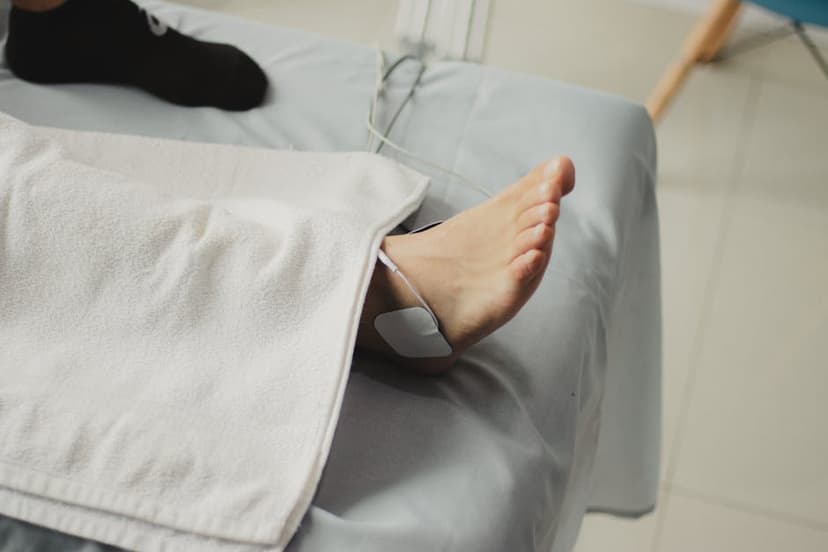
At New Promise Neuropathy, we use Combined Electrochemical Therapy (CET) — a non-invasive, drug-free approach that targets nerve regeneration directly.
CET works by delivering low-level electrical stimulation and specialized topical therapy to the affected nerves, promoting:
- Increased blood flow to nerve-damaged areas
- Nerve fiber regeneration — helping damaged axons regrow and reconnect
- Reduction in pain signals — naturally, without additional medications
- Improved sensation and motor function over time
CET is not a pain mask. It's designed to work with your body's natural healing processes to restore nerve function. Many CIPN patients who have tried standard medical treatments without success have found meaningful improvement through CET.
We also conduct a thorough evaluation before beginning treatment — including nerve function testing — so you understand exactly what's happening with your nerves and what realistic improvement looks like for your specific case.
Frequently Asked Questions About Chemo Neuropathy
Can chemo-induced neuropathy be reversed? It depends on the severity and duration of nerve damage. Some patients see significant improvement with targeted treatment; others experience partial recovery. Starting treatment sooner — rather than waiting to see if it resolves on its own — typically leads to better outcomes.
How long does CIPN last after chemo ends? For mild cases, symptoms may improve within a few months after treatment ends. For moderate to severe CIPN, symptoms can persist for years or become permanent without intervention. Early evaluation is key.
Is CET therapy safe for cancer survivors? Yes. CET is non-invasive and drug-free, making it well-suited for cancer survivors who are already managing complex medication regimens. We work closely with your oncology team when appropriate.
Does insurance cover CIPN treatment? Coverage varies by plan. Our team will review your insurance and walk you through your options during your evaluation.
Where are your Texas locations? New Promise Neuropathy has locations throughout Texas — including Frisco, Fort Worth, Arlington, North Richland Hills, Denton, Tyler, Weatherford, and Sherman. We serve patients from across DFW and beyond.
You Fought Cancer. You Deserve Relief from What Came After.
Chemo-induced peripheral neuropathy is real, it is serious, and it is treatable. You don't have to accept tingling, burning feet as your new normal after cancer. Thousands of patients have found meaningful recovery — and many of them were told there was "nothing else to do" before they found us.
If you or a loved one is experiencing neuropathy after chemotherapy, take the first step toward relief today.
Call us at 1-888-573-4517 or visit newpromiseneuropathy.com to schedule your appointment at a location near you.
New Promise Neuropathy — serving DFW, Tyler, Weatherford, Sherman, and all of North Texas.
This article is for informational purposes only and does not constitute medical advice. Please consult with your healthcare provider regarding your specific condition.