Gabapentin Not Working for Neuropathy? Here Are Your Alternatives
If you're one of the millions of Americans taking gabapentin for neuropathy pain — and it's just not doing enough — you're far from alone. Gabapentin (also sold as Neurontin) remains one of the most commonly prescribed drugs for nerve pain, but a significant number of patients experience incomplete relief, intolerable side effects, or find that it simply stops working over time.
The good news: there are real alternatives, including non-drug approaches that address the underlying nerve damage rather than just masking symptoms.
Why Gabapentin Often Fails Neuropathy Patients
Gabapentin works by calming overactive nerve signals in the brain and spinal cord. It can reduce the intensity of pain perception — but it does nothing to reverse or repair damaged peripheral nerves. That distinction matters enormously.
Here's why gabapentin frequently falls short:
It treats symptoms, not the cause. Peripheral neuropathy is caused by actual nerve fiber damage. Gabapentin quiets the electrical "noise" from those nerves but doesn't restore function, improve circulation to the nerves, or promote nerve regeneration.
Tolerance builds over time. Many patients report that gabapentin worked reasonably well at first but gradually became less effective, leading doctors to increase doses — often with diminishing returns and more side effects.
Incomplete coverage. Neuropathy pain has multiple components: burning, stabbing, numbness, and loss of balance. Gabapentin addresses some of these better than others, leaving patients with partial but unsatisfying relief.
Individual variability is high. Genetic differences in how people metabolize the drug mean some patients absorb very little of it — getting almost no benefit despite taking significant doses.
The Side Effects No One Fully Warned You About
Before exploring alternatives, it's worth acknowledging what many gabapentin patients deal with daily:
- Brain fog and cognitive slowing — difficulty concentrating, memory lapses, and a general feeling of mental "cloudiness" that affects work and daily life
- Extreme fatigue and drowsiness — especially at higher doses, making it difficult to function normally
- Dizziness and balance problems — particularly dangerous for older adults who are already at increased fall risk from their neuropathy
- Weight gain — a frequently reported but under-discussed side effect that can worsen metabolic conditions like diabetes, which is itself a leading cause of neuropathy
- Mood changes — depression and emotional blunting have been reported by a meaningful subset of users
- Dependency and withdrawal — tapering off gabapentin requires careful medical supervision, as abrupt discontinuation can cause severe symptoms
If these sound familiar, you're not imagining things — and you deserve better options.
Non-Drug Alternatives for Neuropathy
1. CET (Combination Electrotherapy) Therapy
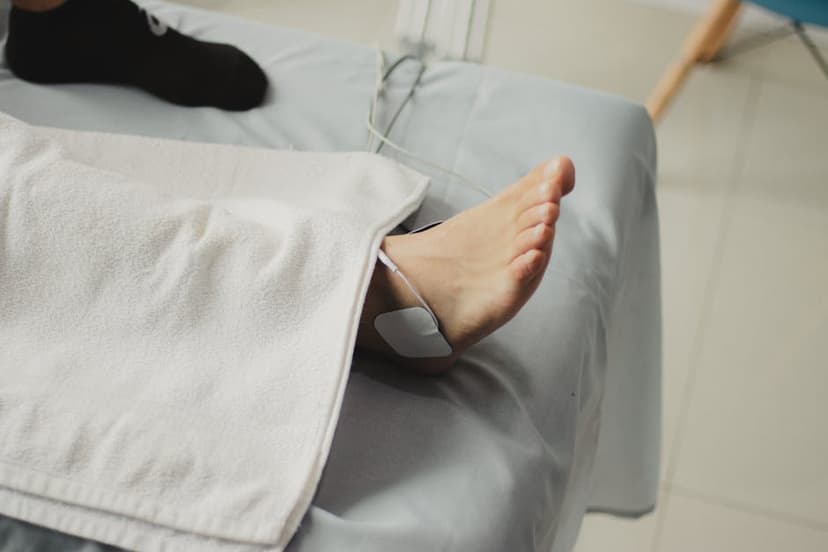
CET therapy is an FDA-cleared, non-invasive treatment that uses specific electrical frequencies to stimulate damaged peripheral nerves directly. Unlike gabapentin, CET doesn't just dampen pain signals — it works to improve nerve conduction velocity, increase blood flow to affected nerves, and support the conditions needed for nerve regeneration.
At New Promise Neuropathy, our CET protocol has helped hundreds of patients in the DFW area experience meaningful improvement in:
- Burning and stabbing pain
- Numbness and tingling
- Balance and coordination
- Quality of sleep (often disrupted by nighttime nerve pain)
The treatment is comfortable, performed in-office, and requires no medication. Most patients notice changes within their first few sessions.
2. Nutritional Therapy and Supplementation
Many neuropathy patients have underlying nutritional deficiencies that worsen nerve damage — and that gabapentin does nothing to address. Key nutrients for nerve health include:
- Alpha-lipoic acid (ALA) — a powerful antioxidant with strong clinical evidence for reducing diabetic neuropathy symptoms
- B vitamins (B1, B6, B12) — essential for nerve function and myelin sheath integrity; deficiencies are surprisingly common, especially in older adults and those on metformin
- Acetyl-L-carnitine — shown in studies to support nerve regeneration and reduce pain
- Vitamin D — low levels are linked to increased neuropathy severity
A targeted nutritional protocol, customized to your lab results, can make a measurable difference.
3. Lifestyle and Metabolic Interventions
For diabetic and pre-diabetic neuropathy patients especially, blood sugar control remains the single most powerful intervention available. Even modest improvements in A1C can significantly slow the progression of nerve damage. This includes:
- Anti-inflammatory dietary changes
- Structured exercise (low-impact, nerve-friendly options like swimming or cycling)
- Weight management
- Sleep optimization
4. Physical Therapy and Balance Training
Neuropathy doesn't just cause pain — it causes loss of proprioception, increasing fall risk dramatically. Targeted physical therapy can retrain the nervous system, improve coordination, and reduce fall-related injuries even in patients with significant nerve damage.
5. Other Medications Worth Discussing
If you want to stay on medication but gabapentin isn't cutting it, there are alternatives worth discussing with your provider:
- Pregabalin (Lyrica) — similar mechanism to gabapentin but with more predictable absorption
- Duloxetine (Cymbalta) — an SNRI antidepressant with FDA approval for diabetic neuropathy pain
- Tricyclic antidepressants (like nortriptyline) — older drugs with moderate evidence for nerve pain
- Topical capsaicin or lidocaine — useful for localized pain without systemic side effects
Note: These medications share the same fundamental limitation as gabapentin — they treat symptoms, not causes.
The Right Question to Ask Your Provider
Rather than asking "which medication should I switch to?", consider asking: "What can we do to actually improve my nerve health, not just cover up the pain?"
That question opens the door to the functional, restorative approach that we take at New Promise Neuropathy. Our goal isn't to keep you on medications indefinitely — it's to help your nerves heal as much as possible and reclaim your quality of life.
Frequently Asked Questions
Q: Is it safe to stop taking gabapentin on my own? No. Gabapentin should always be tapered under medical supervision. Stopping suddenly can cause serious withdrawal symptoms including seizures, severe anxiety, and intense rebound pain. Always work with your prescribing physician on a safe taper plan.
Q: How long does CET therapy take to show results? Most patients notice some improvement within the first 4–8 sessions. A full treatment protocol typically runs 6–12 weeks depending on the severity of nerve damage and the patient's overall health profile.
Q: Can I do CET therapy while still taking gabapentin? Yes. CET therapy can be used alongside medications. Many patients begin CET while still on gabapentin and work with their doctor to gradually reduce their medication as their nerve function improves.
Q: Is CET therapy covered by Medicare or insurance? Coverage varies. Our team at New Promise Neuropathy will work with you to understand your coverage and options before beginning treatment.
Q: What if my neuropathy is caused by chemotherapy? CET therapy and nutritional support can benefit chemotherapy-induced peripheral neuropathy (CIPN) as well. The treatment approach is similar, though the underlying cause differs from diabetic or idiopathic neuropathy.
Q: Do you treat patients in the Dallas-Fort Worth area specifically? Yes. New Promise Neuropathy serves patients throughout the DFW metroplex, including Dallas, Fort Worth, Plano, Frisco, and surrounding communities.
Take the Next Step
If gabapentin has let you down, don't accept chronic pain as inevitable. A different approach — one focused on nerve repair, not just symptom management — may be available to you.
Contact New Promise Neuropathy today to schedule a free consultation and learn whether CET therapy is right for your situation. Our team specializes in cases that haven't responded to standard medication, and we've helped patients find real relief when they thought they'd run out of options.