Is Peripheral Neuropathy Reversible?
It is one of the most common questions we hear at New Promise Neuropathy — and one of the most important. The honest answer is: it depends on what type of neuropathy you have.
Peripheral neuropathy is not a single disease. It is a term covering more than 100 different conditions, each with a different cause, a different pattern of nerve damage, and a different prognosis. Some forms can be fully reversed when the underlying cause is treated. Others can be significantly improved with the right therapy. And some — particularly hereditary or long-standing cases — are more about stabilization and symptom management than outright reversal.
Understanding which category you fall into is the first step toward getting the right treatment and setting realistic expectations for your recovery.
What Makes a Neuropathy Reversible?
For neuropathy to be reversible, two conditions generally need to be true:
-
The cause is correctable — If peripheral neuropathy is being driven by an ongoing problem (such as a B12 deficiency, alcohol use, or nerve compression), removing that cause allows nerves to heal.
-
The nerve damage is not too advanced — Peripheral nerves can regenerate, but only up to a point. If the nerve's core structure (the axon and its protective sheath) is still mostly intact, recovery is achievable. If the nerve has been severely damaged over many years, recovery may be partial.
Neuropathy Causes That Are Often Fully Reversible
Several common causes of peripheral neuropathy can be reversed when addressed promptly:
Nutritional deficiencies — B12 deficiency is one of the most common and overlooked causes of neuropathy. It is also one of the most reversible. Correcting the deficiency through supplements or injections, especially in early-stage cases, can lead to near-complete recovery of nerve function. B6 toxicity is another correctable cause.
Medication-induced neuropathy — Certain drugs, including some used in chemotherapy, HIV treatment, and long-term antibiotic therapy, can cause peripheral neuropathy as a side effect. When the offending medication is discontinued (and when clinically appropriate), nerves often begin to recover. The degree of recovery depends on how long the drug was taken and at what dosage.
Alcohol-related neuropathy — Chronic alcohol use damages peripheral nerves through both direct toxicity and nutritional depletion. Patients who stop drinking and address nutritional deficiencies — particularly B vitamins — often see meaningful recovery over months.
Compression neuropathy — Conditions like carpal tunnel syndrome, tarsal tunnel syndrome, and nerve entrapments elsewhere in the body cause neuropathy by pinching nerves. Relieving the compression — through conservative treatment or surgery — allows nerves to heal. Recovery can be excellent, especially when treated before permanent damage occurs.
Hypothyroidism-related neuropathy — When an underactive thyroid goes untreated, it can cause peripheral neuropathy. Restoring normal thyroid hormone levels often reverses the neuropathy over time.
Neuropathy That Responds Well to Treatment (But May Not Fully Reverse)
Some of the most common types of peripheral neuropathy do not have a simple on/off switch, but respond significantly to treatment — often enough that patients regain meaningful function and comfort.
Diabetic peripheral neuropathy is the most prevalent type we treat. Blood sugar control slows progression and, combined with therapies like CET, many patients regain sensation and experience significant pain reduction. Full reversal is possible in early-stage cases; in advanced cases, the goal is meaningful improvement and stopping further damage.
Chemotherapy-induced peripheral neuropathy (CIPN) affects many cancer survivors. The nerve damage can persist long after treatment ends. However, because the underlying nerve structure may still be viable, CIPN often responds well to treatments like Combined Electrochemical Therapy — especially compared to neuropathy caused by direct nerve degeneration.
Idiopathic neuropathy (neuropathy with no identifiable cause) is frustrating precisely because there is no root cause to fix. Yet many patients with idiopathic neuropathy respond to CET because the therapy stimulates nerve repair directly, bypassing the need for a known trigger to address.
Neuropathy That Is Difficult or Unlikely to Fully Reverse
Some forms of peripheral neuropathy carry a more guarded prognosis for full reversal:
Hereditary neuropathies — Conditions like Charcot-Marie-Tooth disease are caused by genetic mutations. There is currently no cure, though symptoms can be managed and quality of life maintained with therapy and supportive care.
Long-standing, severe neuropathy — When nerve damage has been progressing for a decade or more without adequate treatment, the nerves may have undergone structural changes that limit recovery. Even here, treatment can stop progression and reduce symptoms — it simply may not restore full function.
Neuropathy from autoimmune conditions — Some autoimmune neuropathies (like those associated with lupus or certain vasculitides) depend heavily on how well the underlying autoimmune process can be controlled.
Even in these harder-to-reverse cases, the goal shifts to meaningful symptom relief and preventing further deterioration — both of which are achievable.
The Role of CET in Peripheral Neuropathy Treatment
Regardless of the type or cause, Combined Electrochemical Therapy (CET) plays a meaningful role for many patients because it works at the nerve level rather than simply masking pain.
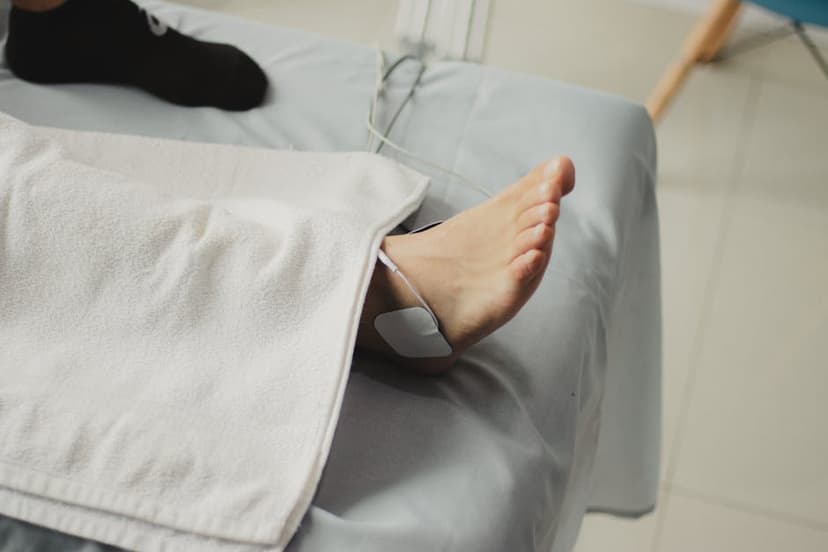
The Electronic Signal Treatment (EST) component uses the Neurogenx device to deliver targeted electrical signals to damaged nerve fibers. These signals stimulate nerve activity, improve signal conduction, and activate the body's natural repair processes. It essentially helps nerves "remember" how to function.
Targeted nerve blocks address the inflammation that is often perpetuating pain and slowing recovery — regardless of the original cause of neuropathy.
For reversible neuropathies, CET accelerates recovery. For chronic or harder-to-reverse types, CET helps maintain function and reduce pain without dependence on medications.
Peripheral Neuropathy Prognosis: Key Variables
When evaluating your prognosis, your provider will consider:
- Cause — Reversible causes (nutritional, compression) have the best outlook
- Duration — Earlier treatment consistently produces better outcomes
- Severity — Mild to moderate damage responds better than severe, long-standing nerve loss
- Overall health — Managing diabetes, thyroid conditions, or other contributing factors directly affects recovery
- Treatment approach — Evidence-based therapies targeting the nerve directly outperform symptom-only management
Frequently Asked Questions
Is peripheral neuropathy reversible in diabetics?
In early to moderate stages, diabetic peripheral neuropathy can improve significantly — especially when blood sugar is well-controlled and treatment like CET is started. Full reversal is more likely in early-stage cases. Advanced diabetic neuropathy may not fully reverse but can often be substantially improved.
What is the most reversible type of peripheral neuropathy?
Nutritional deficiency neuropathy (especially B12-related), compression neuropathy, and medication-induced neuropathy tend to be the most reversible when the underlying cause is corrected promptly.
Can you stop peripheral neuropathy from getting worse?
Yes. Even when full reversal is unlikely, treatment can halt progression in many patients. Managing the root cause, using CET therapy, and monitoring nerve function regularly are key to preventing further deterioration.
What is the peripheral neuropathy prognosis without treatment?
Without treatment, most peripheral neuropathies tend to progress. Symptoms worsen, more nerves become affected, and the window for meaningful recovery narrows. Early intervention consistently improves outcomes.
How is peripheral neuropathy diagnosed?
Diagnosis typically involves a neurological exam, nerve conduction studies, and blood tests to identify reversible causes like B12 deficiency, thyroid dysfunction, or diabetes. At New Promise Neuropathy, we perform a comprehensive evaluation before developing a treatment plan.
New Promise Neuropathy — Serving Patients Across Texas
Our clinics are located in Arlington, Frisco, Fort Worth, Denton, Las Colinas, Tyler, Weatherford, Sherman, Colleyville, and Burleson, with new locations opening in Spring, TX and Missouri City, TX.
Find Out Where You Stand
Not knowing whether your neuropathy is reversible is one of the hardest parts of living with it. A thorough evaluation gives you a clear picture and a real treatment path. Schedule your consultation at New Promise Neuropathy to get an honest assessment of your options.