Neuropathy Treatment in Fort Worth — Your Local Options
If you're living with burning feet, tingling legs, or unexplained numbness, you know how much nerve pain can take over your daily life. Simple things — walking to the kitchen, sleeping through the night, standing long enough to cook a meal — become ordeals. And if you've been searching for neuropathy treatment in Fort Worth, you may have already discovered how difficult it can be to find a provider who takes your symptoms seriously and offers more than a prescription for pain medication.
The good news: Fort Worth and the surrounding Tarrant County area have more options today than ever before. This guide breaks down what neuropathy is, what your treatment options look like, and what to ask when choosing a neuropathy doctor in Fort Worth.
What Is Neuropathy and Why Does It Happen?
Peripheral neuropathy is damage to the peripheral nerves — the vast network of nerve fibers that run from your spinal cord out to your hands, feet, legs, and arms. When these nerves are damaged, they send faulty signals: burning sensations where there's no heat, pain from a light touch, numbness that steals your sense of where your feet are on the ground.
The most common causes of peripheral neuropathy include:
- Diabetes — elevated blood sugar over time damages nerves, particularly in the feet and lower legs
- Chemotherapy-induced neuropathy — many cancer drugs are neurotoxic, leaving patients with lasting nerve damage after treatment ends
- Idiopathic neuropathy — no identifiable cause; frustratingly common, affecting roughly one-third of all neuropathy cases
- Autoimmune conditions such as lupus or rheumatoid arthritis
- Vitamin deficiencies, particularly B12, which is essential for nerve health
- Alcohol use disorder and certain medications
In the DFW metroplex, diabetic neuropathy is especially prevalent — Texas has one of the higher rates of diabetes in the country, and Tarrant County reflects that pattern. Many Fort Worth residents are managing Type 2 diabetes and discovering, often too late, that nerve damage has been quietly progressing for years.
Recognizing Neuropathy Symptoms
Neuropathy is frequently mistaken for arthritis, circulation problems, or even anxiety — especially in the early stages. The symptoms that most commonly bring patients into our Fort Worth-area clinic include:
- Burning or aching pain in the feet, often worse at night
- Tingling or "pins and needles" that move up the legs
- Numbness — a loss of sensation that can make walking feel unsteady
- Sensitivity to touch — even the weight of a bedsheet can be painful
- Muscle weakness in the feet or hands
- Balance problems and increased risk of falls
- Shooting or electric shock-like pain that comes without warning
These symptoms tend to begin in the toes and balls of the feet before progressing upward — a pattern called "length-dependent" neuropathy, since the longest nerve fibers are affected first. If you're experiencing symptoms in both feet symmetrically, peripheral neuropathy is high on the list of likely explanations.
Neuropathy Treatment Options in Fort Worth
When Fort Worth patients come to us after seeing other providers, they often share the same story: they were offered gabapentin or Lyrica, told to manage their diabetes better, or sent home without a clear treatment plan. These approaches address the symptoms of neuropathy — they do very little for the underlying nerve damage.
Here's a realistic overview of the treatment landscape in the Fort Worth area:
Pain Medication Management
Primary care physicians and neurologists commonly prescribe gabapentin (Neurontin), pregabalin (Lyrica), duloxetine (Cymbalta), or tricyclic antidepressants for neuropathic pain. These medications can reduce the perception of pain in some patients, but they carry significant side effects — drowsiness, weight gain, cognitive fog — and they do not repair or regenerate damaged nerves. Many patients find the side effects as debilitating as the neuropathy itself.
Physical and Occupational Therapy
Physical therapy can help maintain mobility, improve balance, and reduce fall risk in neuropathy patients. Fort Worth has a number of PT clinics that offer these services. While therapy is valuable for managing functional decline, it is not designed to reverse nerve damage.
Interventional Pain Management
Pain specialists in the Tarrant County area offer procedures including nerve blocks, spinal cord stimulation, and in some cases, TENS therapy. These can provide temporary relief but are generally aimed at symptom management rather than nerve repair.
Combined Electrochemical Therapy (CET) at New Promise Neuropathy
New Promise Neuropathy's Fort Worth location offers Combined Electrochemical Therapy (CET) — a non-surgical, non-opioid treatment protocol specifically designed to address peripheral nerve damage at the source.
CET works through two complementary mechanisms:
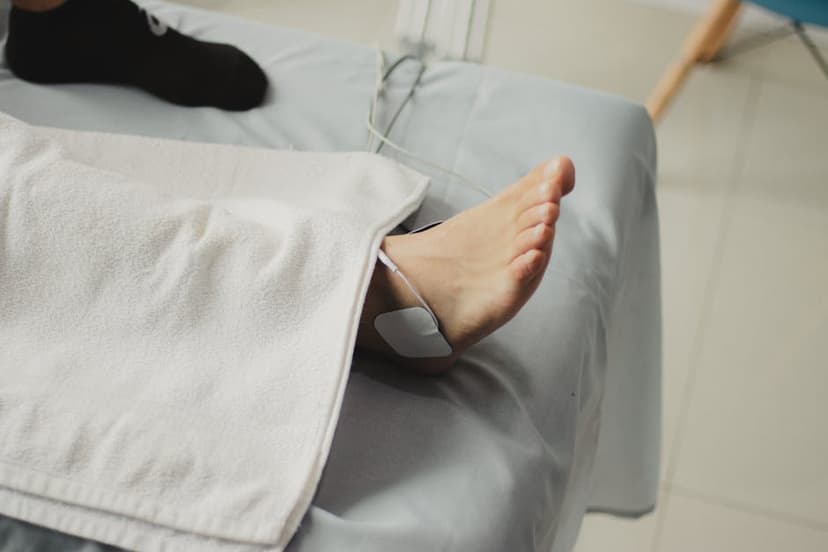
Electronic Signal Treatment (EST): A precision FDA-cleared device delivers calibrated electronic signals directly to the affected nerve pathways. This stimulates damaged nerve fibers, improves circulation to the nerves, and creates conditions that support nerve regeneration — not just symptom relief.
Targeted Nerve Blocks: Superficial injections reduce inflammation around damaged nerves and interrupt pain signaling, giving the nerves time and space to begin healing.
Together, these two components address neuropathy from both directions simultaneously: reducing pain while actively supporting nerve repair. It is the dual-action approach that distinguishes CET from treatments that only mask symptoms.
Every patient at New Promise begins with a comprehensive neuropathy evaluation to assess the extent of nerve damage, identify contributing factors, and determine whether CET is appropriate. The evaluation does not rely on nerve conduction studies (NCS) or EMG testing — which primarily detect large-fiber damage and frequently miss the small-fiber neuropathy that affects a large portion of patients. Instead, our assessment uses functional sensory and motor evaluations that give a more complete picture of your nerve health.
Fort Worth: What You Should Know About Getting Neuropathy Care Locally
Fort Worth is the fifth-largest city in Texas, and Tarrant County has a substantial and growing population of patients managing chronic conditions like diabetes that place them at high risk for neuropathy. Despite its size, specialized neuropathy care in the area has historically been limited to neurology referrals, pain clinics, and primary care pain management — options that can leave patients cycling through medications without meaningful improvement.
Patients in the TCU area, downtown Fort Worth, North Fort Worth, Burleson, Keller, and Weatherford are within easy reach of New Promise Neuropathy's Fort Worth and Weatherford locations. You don't need to travel to Dallas or seek out a major medical center to access advanced neuropathy treatment — specialized care is available right here in Tarrant County and the surrounding communities.
New Promise Neuropathy also has locations in Arlington (just east of Fort Worth on I-30), Colleyville, and Burleson — giving patients across the western DFW metroplex multiple convenient options for nerve pain treatment in Fort Worth TX and the surrounding areas.
What to Look for in a Neuropathy Doctor in Fort Worth
Choosing the right provider matters. Here's what to ask when evaluating a neuropathy doctor in Fort Worth:
-
Do they specialize in neuropathy? General neurologists and primary care physicians see neuropathy patients, but neuropathy specialists have deeper experience with diagnosis and non-medication treatment options.
-
Do they offer treatments beyond medication? If the only tool in the toolbox is a prescription pad, your options are limited. Look for providers who offer interventional or regenerative approaches.
-
Do they conduct a thorough evaluation? A neuropathy specialist should assess your symptoms, medical history, and nerve function — not just order a quick NCS test and call it done.
-
Do they listen? Many neuropathy patients have been dismissed or told their symptoms aren't that serious. A good neuropathy provider takes your quality-of-life impact seriously.
-
Do they set realistic expectations? Neuropathy is treatable, and some patients see significant reversal of symptoms — but no ethical provider promises a cure. Look for honest communication about what treatment can and cannot do.
Frequently Asked Questions
Where can I find neuropathy treatment in Fort Worth? New Promise Neuropathy has a location serving Fort Worth and Tarrant County patients. We also have locations in nearby Weatherford, Arlington, Colleyville, and Burleson. Call 1-888-573-4517 to schedule a neuropathy appointment.
What are my options for nerve pain treatment in Fort Worth TX? Fort Worth patients have access to medication management through primary care and neurology, physical therapy for functional support, and specialized CET (Combined Electrochemical Therapy) at New Promise Neuropathy — a non-surgical treatment designed to address the underlying nerve damage rather than just mask symptoms.
Is there a neuropathy specialist in Fort Worth? Yes. New Promise Neuropathy specializes exclusively in peripheral neuropathy treatment. Unlike general neurology practices that see a broad range of neurological conditions, our focus is neuropathy — which means our evaluation process, treatment protocols, and patient experience are all built around this specific condition.
How do I know if my symptoms are neuropathy? Common indicators include burning or aching pain in the feet and legs (often worse at night), tingling or numbness, sensitivity to light touch, and balance problems. A specialist evaluation can confirm whether your symptoms are consistent with peripheral neuropathy and assess the degree of nerve involvement.
Does insurance cover neuropathy treatment in Fort Worth? Coverage varies by plan. New Promise Neuropathy accepts many insurance plans and will verify your benefits before your first appointment. Call our office at 1-888-573-4517 and our team will walk you through coverage.
How long does neuropathy treatment take? Most patients at New Promise Neuropathy complete an initial treatment series over several weeks. Many begin noticing improvements in burning, tingling, and numbness during the treatment course. The timeline for improvement depends on the severity of nerve damage, how long symptoms have been present, and individual health factors.
Can neuropathy be reversed, or only managed? Nerves have the ability to regenerate under the right conditions. Some patients experience significant reduction in symptoms and measurable improvement in nerve function through CET treatment. The earlier treatment begins, the greater the potential for meaningful nerve recovery. Results vary by individual, but the goal at New Promise is always nerve repair — not just symptom control.
Ready to Find Relief? Start with a Neuropathy Evaluation
If you've been living with nerve pain in Fort Worth and haven't found an answer that actually works, you're not out of options. The burning, the tingling, the numbness — these are signals that your nerves are under stress, and the earlier that stress is addressed, the better your chances of recovery.
New Promise Neuropathy serves patients across Fort Worth, Tarrant County, and the greater DFW metroplex with specialized neuropathy care using Combined Electrochemical Therapy. Our team will evaluate your nerve health, explain what we find in plain language, and work with you to build a treatment plan that fits your situation.
Call us at 1-888-573-4517 or visit newpromiseneuropathy.com to schedule your appointment.
New Promise Neuropathy specializes in non-surgical neuropathy treatment using Combined Electrochemical Therapy (CET). Locations in Fort Worth, Weatherford, Arlington, Colleyville, Burleson, Frisco, Denton, Tyler, and Sherman, TX.
Related Reading: