Can You Really Reverse Neuropathy in 7 Days?
If you have been searching for ways to reverse neuropathy in 7 days, you are not alone. Every week, thousands of people type that exact phrase into Google, hoping for a fast answer to a problem that has been disrupting their sleep, their mobility, and their peace of mind.
The honest answer is: no, neuropathy does not reverse in 7 days. And any article or product that tells you otherwise is misleading you.
But here is the more important truth: neuropathy can improve significantly with the right treatment, and many patients begin feeling real differences within the first few weeks. Understanding what is actually possible — and what drives recovery — is far more useful than chasing a 7-day shortcut.
Why Nerve Healing Takes Time
To understand the recovery timeline, it helps to understand what neuropathy actually is. Peripheral neuropathy is damage to the nerves outside your brain and spinal cord. These nerves are responsible for sensation, temperature detection, balance, and pain signaling. When they are damaged, the signals they send get distorted — producing burning, tingling, numbness, and stabbing pain.
Nerves are not like skin or muscle. They do not bounce back in days. Peripheral nerve fibers grow back slowly — in some cases, less than an inch per month. The underlying healing process involves reducing inflammation, reactivating dormant nerve fibers, and stimulating new nerve growth. That takes consistent, targeted treatment over weeks and months — not a weekend.
What a 7-day window can do is start the healing process and, in some patients, produce early measurable changes. But calling that a reversal would be premature.
What a Realistic Neuropathy Recovery Timeline Looks Like
Every patient is different, and recovery depends on the type of neuropathy, severity, and how long symptoms have been present. That said, here is a general framework based on what patients at New Promise Neuropathy typically experience:
Weeks 1–2: Patients undergo their initial CET sessions. Some notice subtle changes — reduced burning intensity, slightly improved sleep, or a small return of sensation. Others do not feel a difference yet. Both responses are normal.
Weeks 3–6: This is when many patients begin reporting meaningful improvements. Pain levels may drop noticeably. Numbness may start to give way to tingling (which, while uncomfortable, is actually a sign of nerve reactivation). Balance often improves around this window.
Months 2–4: For most patients, this is the period of most significant change. Sensation continues to return. Daily function improves. Patients describe being able to walk comfortably, sleep through the night, or resume activities they had given up.
Month 4 and beyond: Depending on severity, some patients reach a maintenance phase. Others continue improving. The key variable is the extent of underlying nerve damage and how well the root cause (such as blood sugar or nutritional deficiencies) is being managed alongside treatment.
How CET Therapy Accelerates Recovery
Combined Electrochemical Therapy (CET) is the treatment New Promise Neuropathy uses because it targets the biological bottleneck in nerve healing — not just the symptoms.
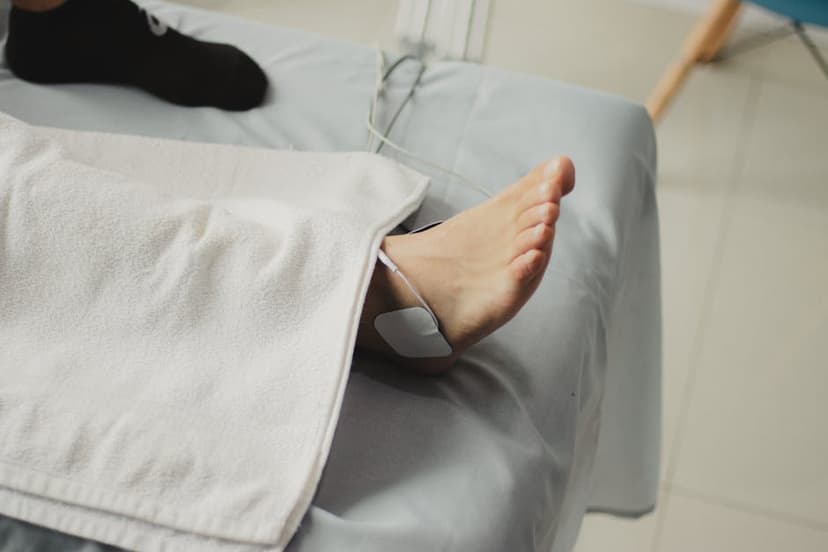
Electronic Signal Treatment (EST) uses the Neurogenx device to deliver precise electrical signals at therapeutic frequencies. These signals stimulate dormant or damaged nerve fibers, improve nerve conduction, and activate the body's own repair mechanisms. Think of it as jump-starting nerves that have gone quiet.
Targeted Nerve Blocks reduce inflammation around the affected nerves, creating the optimal environment for regeneration. Inflammation is one of the biggest obstacles to nerve healing — and most conventional treatments do nothing to address it directly.
Together, these two approaches work faster and more effectively than any supplement, foot cream, or pain medication. And unlike medications, they target the cause rather than masking the discomfort.
Factors That Affect How Fast You Can Improve
While 7 days is not a realistic reversal window, how quickly you see improvement does vary. These factors tend to accelerate recovery:
- Starting treatment early — Nerves that have been damaged for fewer years tend to respond faster
- Well-controlled blood sugar — For diabetic neuropathy, glucose control directly supports nerve healing
- No active nutritional deficiencies — B12, folate, and other key nutrients are critical for nerve repair
- Consistent treatment attendance — Skipping sessions slows progress significantly
- Active lifestyle — Light movement and walking support circulation to the peripheral nerves
Factors that slow recovery include long-standing damage (10+ years of symptoms), heavy alcohol use, and continuing exposure to the original trigger (ongoing chemotherapy, uncontrolled diabetes, etc.).
What You Can Do Right Now
If you are frustrated with how fast neuropathy is (or is not) improving, the best step you can take is getting a proper evaluation to understand what type of neuropathy you have and how advanced the damage is. That gives you a realistic treatment roadmap instead of guesswork.
At New Promise Neuropathy, we start every patient with a thorough assessment that identifies the likely cause, grades the severity, and outlines what recovery might look like for your specific situation.
Frequently Asked Questions
Can you reverse neuropathy in 7 days naturally?
No. While some supplements and lifestyle changes support nerve health, they do not reverse neuropathy in 7 days. Nerve healing is a biological process that takes weeks to months with consistent, targeted treatment.
How fast can neuropathy improve with treatment?
Many patients begin noticing changes within 2–4 weeks of starting CET treatment. Significant improvement typically occurs over a 2–4 month treatment course, depending on the type and severity of neuropathy.
What is the fastest way to treat neuropathy?
Combined Electrochemical Therapy (CET) is one of the most effective evidence-based approaches for accelerating nerve recovery. It addresses both inflammation and nerve stimulation simultaneously, which is why results tend to come faster than with single-modality treatments.
Is there any treatment that works quickly for neuropathy pain?
Targeted nerve blocks used in CET can reduce pain relatively quickly — sometimes within the first few sessions — because they directly address the inflammation driving pain signals. However, full nerve recovery still requires a longer treatment course.
How do I know if my neuropathy is getting better?
Signs of improvement include reduced burning or tingling intensity, return of sensation in previously numb areas, better balance, and improved sleep. Your provider can also track progress using objective nerve function assessments.
New Promise Neuropathy — Texas Clinics
We treat patients across Texas at our locations in Arlington, Frisco, Fort Worth, Denton, Las Colinas, Tyler, Weatherford, Sherman, Colleyville, and Burleson, with new clinics opening in Spring, TX and Missouri City, TX.
Ready to Start?
Stop waiting for a miracle cure and start with a real treatment plan. Schedule your consultation at New Promise Neuropathy and find out what your recovery timeline could realistically look like.