Veteran Neuropathy: Why Military Service Increases Your Risk — And What to Do About It
You served your country. You endured training, deployments, and conditions that most people will never face. Now, years later, you're dealing with something nobody warned you about — burning feet, numb hands, shooting pain that comes out of nowhere. If that sounds familiar, you may be living with veteran neuropathy, and you're far from alone.
Neuropathy — damage to the peripheral nerves — is one of the most underdiagnosed and undertreated conditions among U.S. veterans. In the Dallas-Fort Worth area, thousands of veterans are navigating this condition, often with limited support from traditional VA channels. At New Promise Neuropathy, we see veterans from across North Texas — and we want you to know there are options beyond pain medication and "learning to live with it."
Why Veterans Are at Higher Risk for Neuropathy
Military service exposes the body to a range of risk factors that simply don't apply to the general population. Several of these have a direct connection to nerve damage.
Agent Orange Exposure
Veterans who served in Vietnam, Korea, or along the Korean DMZ between 1968 and 1971 may have been exposed to Agent Orange and other herbicides. The VA has officially recognized peripheral neuropathy as a service-connected condition linked to Agent Orange exposure. This includes early-onset peripheral neuropathy — a condition that can emerge within one year of exposure, though symptoms often worsen significantly over decades.
If you were exposed to Agent Orange and are now experiencing tingling, numbness, or weakness in your hands or feet, your nerve damage may be directly connected to your service.
Burn Pit Exposure
More recent veterans — those who served in Iraq, Afghanistan, or Southwest Asia after 9/11 — faced a different threat: open-air burn pits used to incinerate military waste at or near bases. The smoke from these pits contained toxic chemicals, heavy metals, and particulate matter that can damage the nervous system.
The PACT Act of 2022 expanded VA benefits for veterans affected by burn pit exposure, and ongoing research continues to link burn pit exposure to neurological conditions including peripheral neuropathy. Veterans who served at locations with known burn pits and are now experiencing nerve-related symptoms should request a toxicology evaluation.
Service-Related Physical Injuries
Repetitive physical stress, blast injuries from IEDs, traumatic brain injuries (TBI), and spinal injuries sustained during service can all damage peripheral nerves. Compression injuries to the spine — common after years of carrying heavy gear — can also cause secondary nerve damage that presents as neuropathy in the legs and feet.
Medications for PTSD and Related Conditions
Many veterans managing PTSD, depression, or chronic pain take medications that carry a risk of peripheral neuropathy as a side effect. Certain anticonvulsants, antidepressants, and other psychotropic medications are known to affect nerve function over time. If you've been on long-term medication management for mental health conditions, medication-related neuropathy is worth discussing with your care team.
How Veteran Neuropathy Differs from Civilian Cases
When our clinical team evaluates veteran patients, we often see distinct patterns compared to civilian cases.
Location of symptoms: Veterans frequently report bilateral leg and foot symptoms — pain or numbness on both sides equally — which can indicate systemic nerve damage from chemical exposure rather than localized injury.
Age of onset: Many veterans develop noticeable neuropathy symptoms earlier in life, in their 40s or 50s, while civilian neuropathy more commonly appears after 60. This earlier onset means more years of potential progression if left untreated.
Complexity of causes: A veteran's neuropathy may involve multiple contributing factors — chemical exposure, physical injury, medication side effects, and diabetes or pre-diabetes — layered on top of each other. This makes accurate diagnosis more important than in straightforward single-cause cases.
Underreporting: Veterans are often conditioned to push through pain. Many have been dealing with symptoms for years before seeking specialized treatment, which can mean the damage is more advanced by the time they get evaluated.
The Limits of VA Neuropathy Treatment
The VA provides important healthcare services to veterans, and we respect the work being done at facilities like the Dallas VA Medical Center and the VA North Texas Health Care System in the DFW area. However, veterans frequently tell us that VA neuropathy care has left them frustrated.
Common concerns we hear:
- Long wait times for specialist referrals and neurology appointments
- Medication-only approach — gabapentin, pregabalin, or duloxetine are commonly prescribed, but they mask symptoms without addressing the underlying nerve damage
- Limited access to advanced therapies — newer treatment modalities like CET are generally not available through VA channels
- One-size-fits-all protocols — less individualized than what a specialty neuropathy clinic can offer
This isn't a criticism of VA staff — it's a system capacity problem. Veterans deserve access to care that goes beyond symptom management.
How CET Therapy at New Promise Offers a Real Alternative
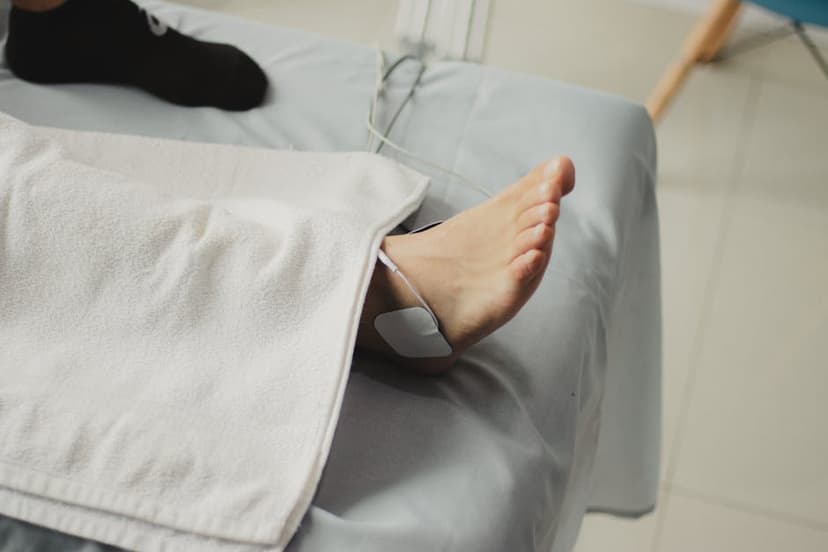
At New Promise Neuropathy, we specialize in Combined Electrochemical Treatment (CET) — a non-surgical, non-opioid approach to peripheral neuropathy that works by increasing circulation and nerve conductivity in damaged tissue.
CET combines low-amplitude electrical stimulation with precise nutrient delivery targeted at the affected nerves. The goal is not just to reduce pain, but to support actual nerve function and recovery. Many of our patients — including veterans — report meaningful improvements in sensation, balance, and quality of life.
What makes CET different for veteran patients:
- Non-addictive — no opioids, no risk of dependence
- Side-effect profile is minimal compared to long-term gabapentin use
- Addresses root-cause nerve function, not just pain signals
- Can be used alongside existing VA care — we work with, not against, your current treatment team
We understand that many veterans come to us skeptical. That's okay. We believe in transparent conversations, realistic expectations, and letting your evaluation results speak for themselves.
Insurance Coverage for Veterans
Many veterans have insurance coverage beyond VA benefits — including Medicare, Medicare Advantage, TRICARE, or private insurance through an employer or spouse. New Promise Neuropathy accepts many major insurance plans, and we encourage veterans to contact our office to verify your specific coverage before your visit.
Our team will work with you to understand your benefits and make the evaluation process as accessible as possible. We don't want cost to be the reason a veteran doesn't get evaluated.
Our Locations — Close to VA Facilities Across DFW and North Texas
New Promise Neuropathy has multiple Texas locations, including several within easy driving distance of major VA facilities in the DFW metroplex:
- Fort Worth — 9525 N Beach St, Fort Worth, TX 76244
- Denton — serving patients in Denton County and surrounding areas
- Frisco / North Dallas — convenient for veterans in Collin County
- Weatherford — serving Parker County and West DFW
- Sherman — serving Grayson County and the Oklahoma border region
- Tyler — serving East Texas veterans
Whether you're near the Dallas VA Medical Center on Lancaster Ave or the VA North Texas campus in Irving, there's a New Promise location that can serve you.
Frequently Asked Questions — Veteran Neuropathy
Is peripheral neuropathy a VA-recognized service-connected condition? Yes. The VA recognizes peripheral neuropathy as a service-connected condition for veterans exposed to Agent Orange, those affected by burn pit exposure under the PACT Act, and veterans with documented service-related injuries that caused nerve damage. A VA rating does not prevent you from seeking outside treatment — you can pursue care at New Promise Neuropathy while maintaining your VA relationship.
Can neuropathy from chemical exposure be treated? While no treatment can undo all nerve damage, the nervous system has more capacity for recovery than most people realize. CET therapy aims to improve nerve conductivity and circulation in affected tissue, which can reduce symptoms and slow progression. Early intervention produces better outcomes.
Does New Promise Neuropathy accept TRICARE? Coverage varies by plan type and network. We encourage veterans with TRICARE to call our office directly at 1-888-573-4517 so we can verify your specific benefits before scheduling.
How is New Promise Neuropathy different from seeing a neurologist? Neurologists are essential for diagnosis and ruling out other conditions. New Promise is a specialty treatment clinic focused exclusively on peripheral neuropathy management using CET therapy. Many of our patients come to us after neurological diagnosis with a referral or on their own initiative to explore non-medication treatment options.
What should I bring to my first appointment? Bring any VA records, service records documenting potential toxic exposures, current medication list, and any prior nerve conduction study results. The more context we have, the more useful your evaluation will be.
Take the Next Step — You've Earned It
If you're a veteran living with nerve pain, numbness, or weakness — you don't have to accept it as permanent. The damage may have started in service, but your recovery can start now.
Call New Promise Neuropathy at 1-888-573-4517 or visit newpromiseneuropathy.com to schedule an appointment at the Texas location nearest you. Our team understands the unique challenges veterans face — and we're here to help you find relief.
New Promise Neuropathy serves veterans across North Texas, including the greater Dallas-Fort Worth metroplex, Tyler, Sherman, Weatherford, and Frisco.